
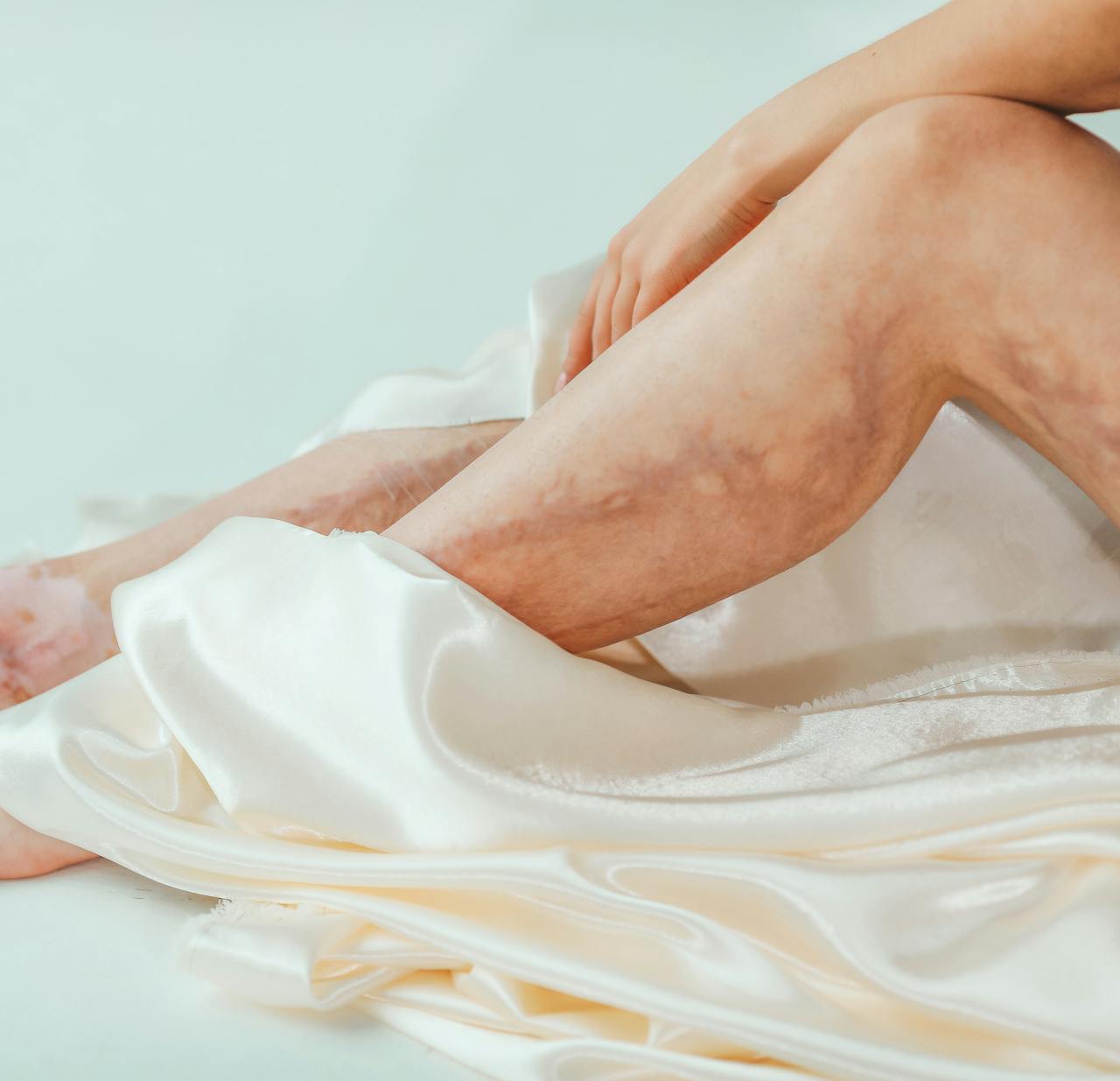

Fast-Acting Treatments for Vein Pain You Can Trust
Varicose veins aren’t just a cosmetic issue; they can also cause pain. But there are things you can do to help. It’s important to talk to your healthcare provider about your pain and symptoms and get the right diagnosis. He or she will do a physical exam of your legs and will ask about your past health. A blood test may be needed to rule out other health problems. An ultrasound is a safe, painless way to see your veins and measure the flow of blood in them. It can show if you have a blood clot and how well your vein valves are working. Center For Advanced Vein Care might recommend a procedure to treat your varicose veins if your symptoms are severe or you have other medical conditions that affect your veins. He or she will explain the risks and benefits of each option.

Painkillers and medications can help relieve discomfort. These include oral nonsteroidal anti-inflammatory drugs (NSAIDs) like ibuprofen, naproxen and acetaminophen, as well as topical analgesics such as menthol creams that contain the numbing ingredient lidocaine. The onset of relief can vary from 20 minutes to an hour.
If your varicose veins are small and not painful, treatment might not be necessary. But your healthcare provider might recommend you lose weight to take pressure off your veins, wear compression stockings and elevate your legs at work and home. Elevating your legs increases the flow of blood and decreases pressure in your veins. You should try to do this for at least 30 minutes three times a day.
Compression stockings help your veins and muscles work better by pushing blood back up toward your heart. You can find them at most pharmacies and medical supply stores. You should wear them for as long as recommended by your healthcare provider.
Untreated varicose veins can lead to complications, such as ulcers (open sores), bleeding, inflammation and skin discoloration. They can also put you at risk of deep vein thrombosis or DVT, a blood clot in a deeper leg vein. DVT can break loose and travel to your lungs, causing pulmonary embolism. This is a life-threatening condition that can be prevented by taking medication to prevent blood clots and by raising your legs for short periods at work and home.
Treatment options include:
You can improve your varicose veins with lifestyle changes and treatments that reduce swelling and increase blood flow in your leg veins. Avoid high-heeled shoes that can put more pressure on your veins. Eat a diet low in salt to prevent fluid retention that can make your veins swell. Exercise to strengthen the muscles in your legs and feet, which can help push blood up against the pull of gravity. Eat foods that contain flavonoids, which are nutrient compounds that boost circulation and ease pressure on your veins. You can find these in vegetables like onions, capsicum and spinach and fruits such as citrus, berries and cocoa. You can also improve your nutrition by limiting foods that are high in saturated fats and sugars.
Additional Resources

Comments are closed.